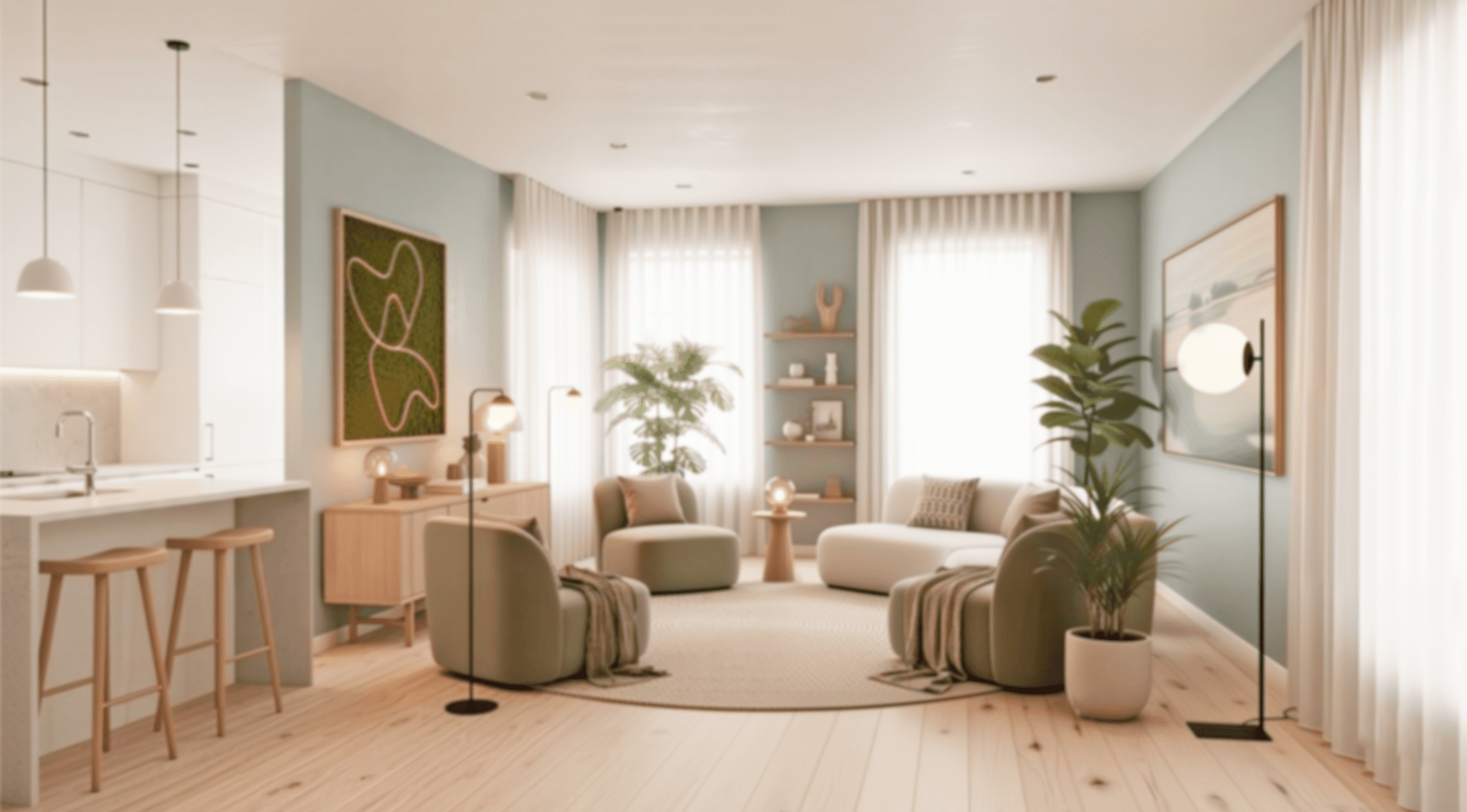
// Overview
This project was inspired by a garden plan for 101 Dartmouth Extension, where many residents have experienced trauma, primarily related to homelessness and substance use. The garden design incorporates principles of Trauma-Informed Design (TID), a framework that aims to create physical environments that promote healing, well-being, and a sense of safety for individuals affected by trauma. TID draws from trauma-informed care, a therapeutic approach that recognizes the widespread impact of trauma and seeks to respond to it thoughtfully.
Building on this context, the project further explores how Trauma-Informed Design principles can be applied to interior spaces. Through a sensory-driven and interior design approach, this project investigates how thoughtfully designed spaces can support emotional recovery and promote healing for individuals with lived experiences of trauma.
// What Is Trauma & Trauma-Informed Design?
“Trauma” refers to experiences that cause intense physical and psychological stress reactions.
“Trauma results from an event, series of events, or set of circumstances that is experienced by an individual as physically or emotionally harmful or threatening and that has lasting adverse effects on the individual’s functioning and physical, social, emotional, or spiritual well-being” (Center for Substance Abuse Treatment (US), 2014)
Trauma-informed design integrates the understanding of traumatic events and experiences, along with their impacts on individuals, into design principles to support therapeutic recovery.
This concept originated in patient care during the 1970s when the physical and mental traumas resulting from extreme wartime conflicts necessitated a new way to comprehend these experiences and their effects (Dietkus, 2022). Its significance lies in creating spaces that promote safety, healing, and well-being, especially for those who have experienced trauma, thereby enhancing the usability and supportive nature of environments for all users.
Reference:
Center for Substance Abuse Treatment (US). (2014). Trauma-Informed Care in Behavioral Health Services. Nih.gov; Substance Abuse and Mental Health Services Administration (US). https://www.ncbi.nlm.nih.gov/books/NBK207192/
Dietkus, R. (2022). The Call for Trauma‐Informed Design Research and Practice. Design Management Review, 33(2), 26–31. https://doi.org/10.1111/drev.12295
// Why Do We Need to Research Trauma-Informed Design?
Research on trauma-informed design helps create environments that support the healing and well-being of people who have experienced trauma. It identifies design strategies, such as lighting, spatial layout, color, and access to nature that can reduce stress and anxiety. This research also educates designers, healthcare providers, and policymakers about how environments affect trauma, encouraging broader implementation across spaces like healthcare facilities, schools, workplaces, and homes. Additionally, it promotes inclusivity and safety by preventing re-traumatization and ensuring environments are welcoming for all users. Research also provides evidence-based guidance for policies and best practices, helping measure the impact of design on health and well-being. Ultimately, trauma-informed design can support community healing, build resilience, and reduce long-term social and healthcare costs.
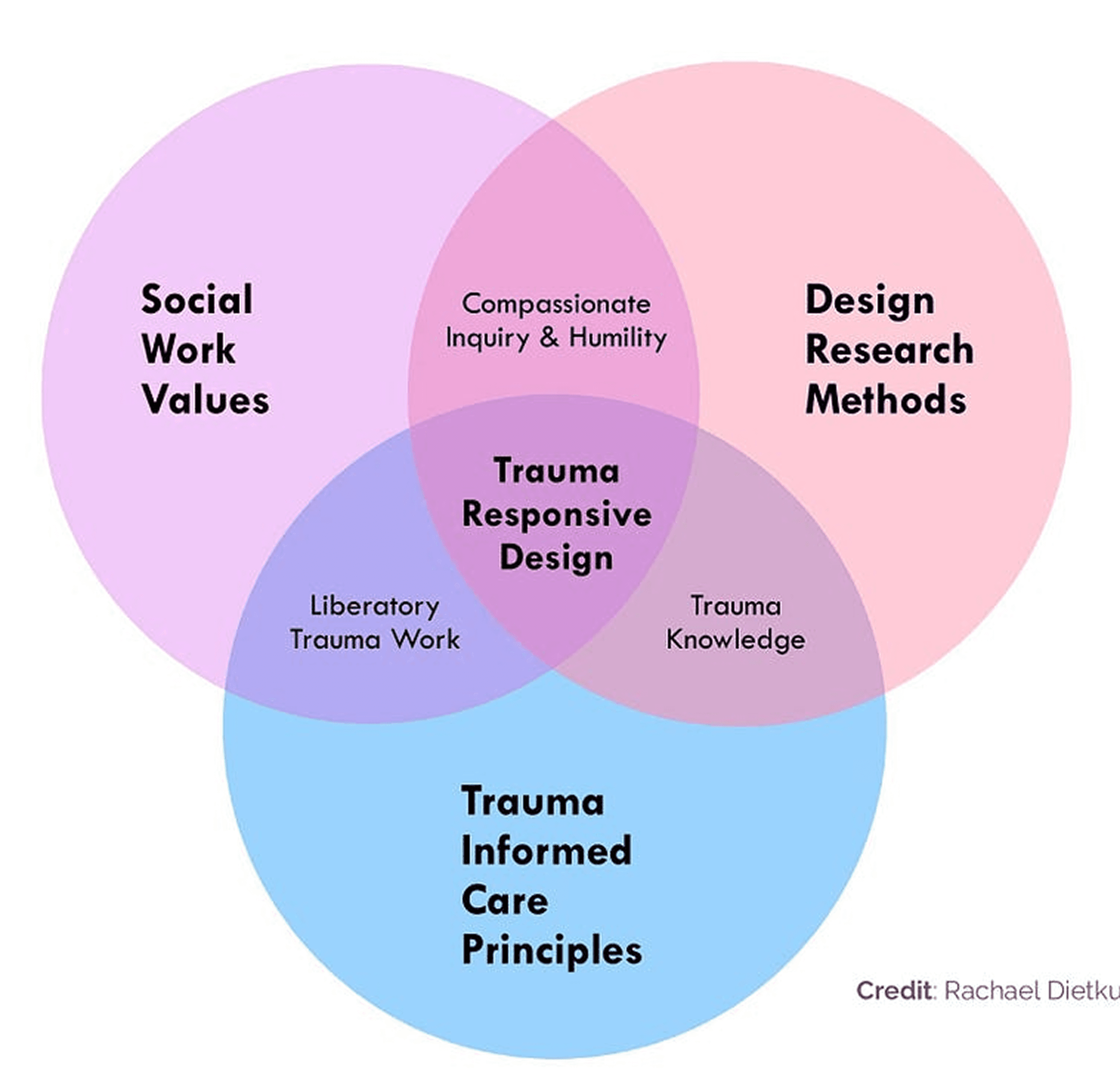
Dietkus, R. (2022). The Call for Trauma‐Informed Design Research and Practice. Design Management Review, 33(2), 26–31. https://doi.org/10.1111/drev.12295.
// Trauma-informed design principle
Key principle:
• Safety
• Trustworthiness & transparency
• Peer support
• Collaboration & mutuality
• Empowerment & choice
• Cultural, historical & gender issues
Reference: Centers for Disease Control and Prevention. (2023). Infographic: 6 guiding principles to A trauma-informed approach | CDC. Www.cdc.gov. https://www.cdc.gov/orr/infographics/6_principles_trauma_info.htm
Key criteria:
• Reduce or remove known adverse stimuli;
• Reduce or remove environmental stressors;
• Engage the individual actively in a dynamic, multi-sensory environment;
• Provide ways for the individual to exhibit their self-reliance;
• Provide and promote connectedness to the natural world;
• Separate the individual from others who may be in distress;
• Reinforce the individual's sense of personal identity;
• Promote the opportunity for choice while balancing program needs and the safety/comfort of the majority.
Reference: Centers for Disease Control and Prevention. (2023). Infographic: 6 guiding principles to A trauma-informed approach | CDC. Www.cdc.gov. https://www.cdc.gov/orr/infographics/6_principles_trauma_info.htm

Trauma Informed Care Process
// People Who Suffered from Drug Abuse
Their Needs:
• Stress Reduction: Stress is a major trigger for relapse. Spaces should be designed to minimize stress and promote relaxation.
• Controlled Environment: It's important to create an environment that minimizes temptations and triggers related to substance use.
• Supportive Atmosphere: The design should foster a supportive community environment where individuals can engage with peers and counselors.
• Privacy and Personal Space: While community support is vital, personal space where individuals can reflect and have solitude is equally important.


Design Direction:
Soothing Color Schemes: Use calming colors in the interior design. Soft blues, greens, and earth tones can have a soothing psychological effect.
Natural Light and Views: Maximize natural lighting and provide views of nature if possible. These elements have been shown to reduce stress and improve mental health.
Flexible and Multipurpose Spaces: Spaces should be adaptable to accommodate various activities such as therapy sessions, group meetings, and personal reflection time.
Secure Storage: Provide secure storage for personal belongings to enhance feelings of security and personal responsibility.
Therapeutic Elements: Incorporate therapeutic design elements such as art therapy stations, meditation or yoga spaces, and areas designated for physical activity, which are critical components of recovery.
Noise Control: Design quiet spaces where individuals can escape from communal noise. Soundproofing areas can provide a sanctuary for those who need a break from social interactions.
Durable and Low-Maintenance Materials: Use materials that are durable and easy to clean but also warm and inviting. Avoid overly institutional designs that can feel sterile or unwelcoming.
Private and Community Spaces: Design distinct private spaces while also providing community areas that encourage social interaction and support group activities. The balance of privacy and community is crucial for recovery.
Safety Measures: Include design elements that enhance safety, such as non-slip flooring and minimal use of potentially hazardous materials.
. Biophilic Design: Incorporate elements of nature into the building design. Indoor plants, water features, and materials that mimic natural patterns can enhance well-being and reduce anxiety.


// People Who Suffered from Homeless
Their Needs:
• Trauma-Informed Design: Many homeless individuals have faced trauma, either as a cause or result of their homelessness. A trauma-informed design approach is crucial, emphasizing safety, trustworthiness, choice, collaboration, and empowerment.
• Security: A primary concern for people who have been homeless is security. Design elements should foster a sense of safety and privacy.
• Stability and Familiarity: Transitional spaces should feel stable and predictable, with clear layouts and familiar elements that do not change frequently.
• Privacy and Personal Space: Opportunities for privacy are vital, as many may have experienced the stress of exposed living conditions.

Design Direction:
Flexible Spaces: Design spaces that can be easily adjusted to suit individual preferences and needs. This could include adjustable lighting, movable furniture, and areas that can serve multiple purposes (e.g., dining can be converted into a workspace).
Personalization: Allow for personalization in private spaces. Small areas where individuals can display personal items or choose their own color schemes can significantly increase the sense of ownership and comfort.
Soft, Natural Materials: Use materials that are soft to the touch and naturally comforting. Wood, cotton, and other natural fabrics can be soothing compared to hard, industrial materials.
Warm, Gentle Lighting: Opt for warm lighting to create a welcoming and comforting environment. Natural light is particularly beneficial, so incorporating large windows or skylights can help.
Nature and Green Spaces: If possible, include elements of nature inside and outside the building. Indoor plants, gardens, and views of nature can reduce stress and improve mental health.
Noise Control: Soundproofing or areas designated for quiet can help mitigate the often overwhelming noise of public or semi-public spaces.
Accessible and Inclusive Design: Ensure the space is accessible to all, including those with disabilities. Wide corridors, ramps, and lifts are important, as are visual aids and tactile surfaces for the visually impaired.
Community Spaces: Design communal areas that encourage social interaction but also allow for individual space. Communal kitchens, shared gardens, or workshop areas can promote community while respecting individual boundaries.
Healing Elements: Incorporate elements that are known to support mental health and recovery, such as art therapy areas, meditation spaces, or small libraries.

Design Summary:
Sensory Design: Consider sensory experiences carefully. Overstimulation can be a trigger for stress, so environments should aim to balance sensory inputs to be engaging without being overwhelming.
Behavioral Considerations: Account for behavioral challenges related to addiction recovery. Spaces should encourage positive behaviors and offer opportunities for engagement in healthy activities.
Design Delivery:
Immersive prototype to create stimulate environment, encouraging people to feel in person: Consider sensory experiences carefully. This delivery mainly focus on scent, light, nature.
3D model to finally provide the whole overview of the applied interior space. This delivery mainly focus on visualizing the trauma-informed design principle applied on real interior space.
Key Words:


Why nature?
Research has shown that regular interactions with natural environments reduce stress, enhance mood, and improve overall well-being.
References:
Nightingale, F. (2020). NOTES ON NURSING : what it is, and what it is not. Rydon Publishing.
Pasha, S. (2013). Barriers to Garden Visitation in Children’s Hospitals. HERD, 6(4), 76–96. https://doi.org/10.1177/193758671300600405
Rawlings, T. S. (2017). Beyond landscape: development of a major healing garden. Cardiovascular Diagnosis and Therapy, 7(3), 325–330. https://doi.org/10.21037/cdt.2017.01.02
Material Preparation
Utilizing fresh flowers to represent nature and harnessing their scents for healing purposes is believed to be beneficial. The aroma of flowers may provide therapeutic effects for individuals struggling with drug addiction and homelessness.









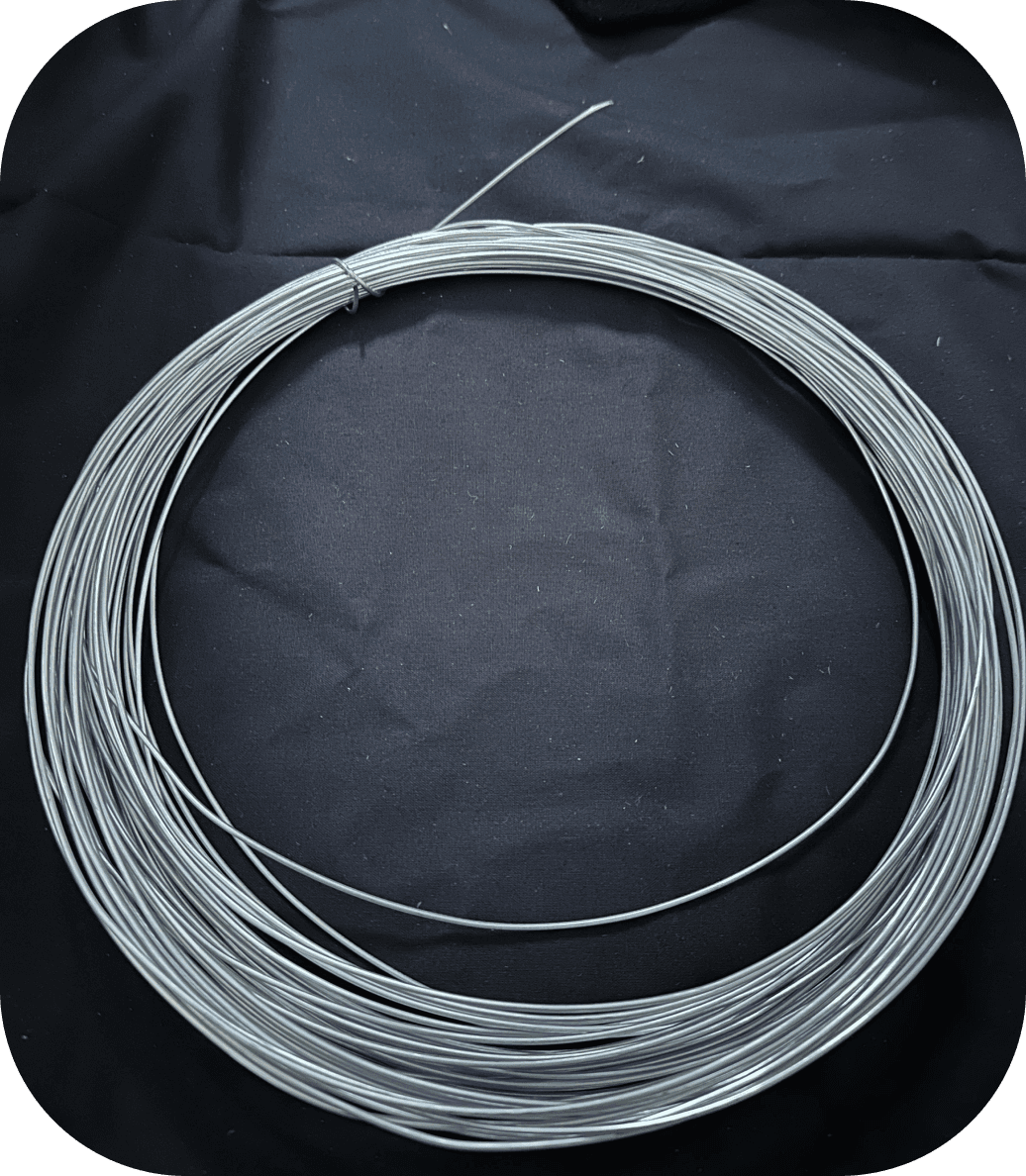



Light Test:












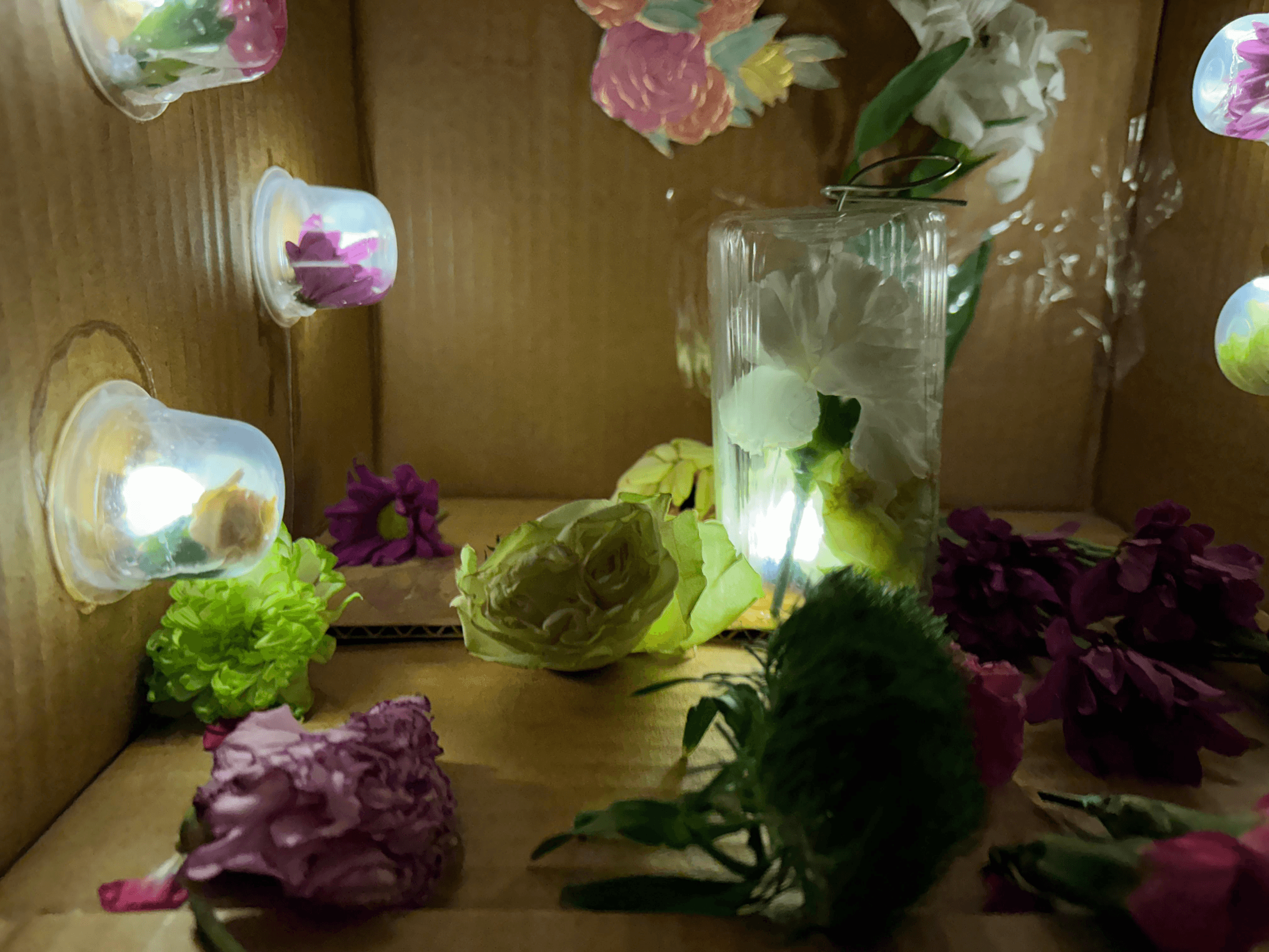
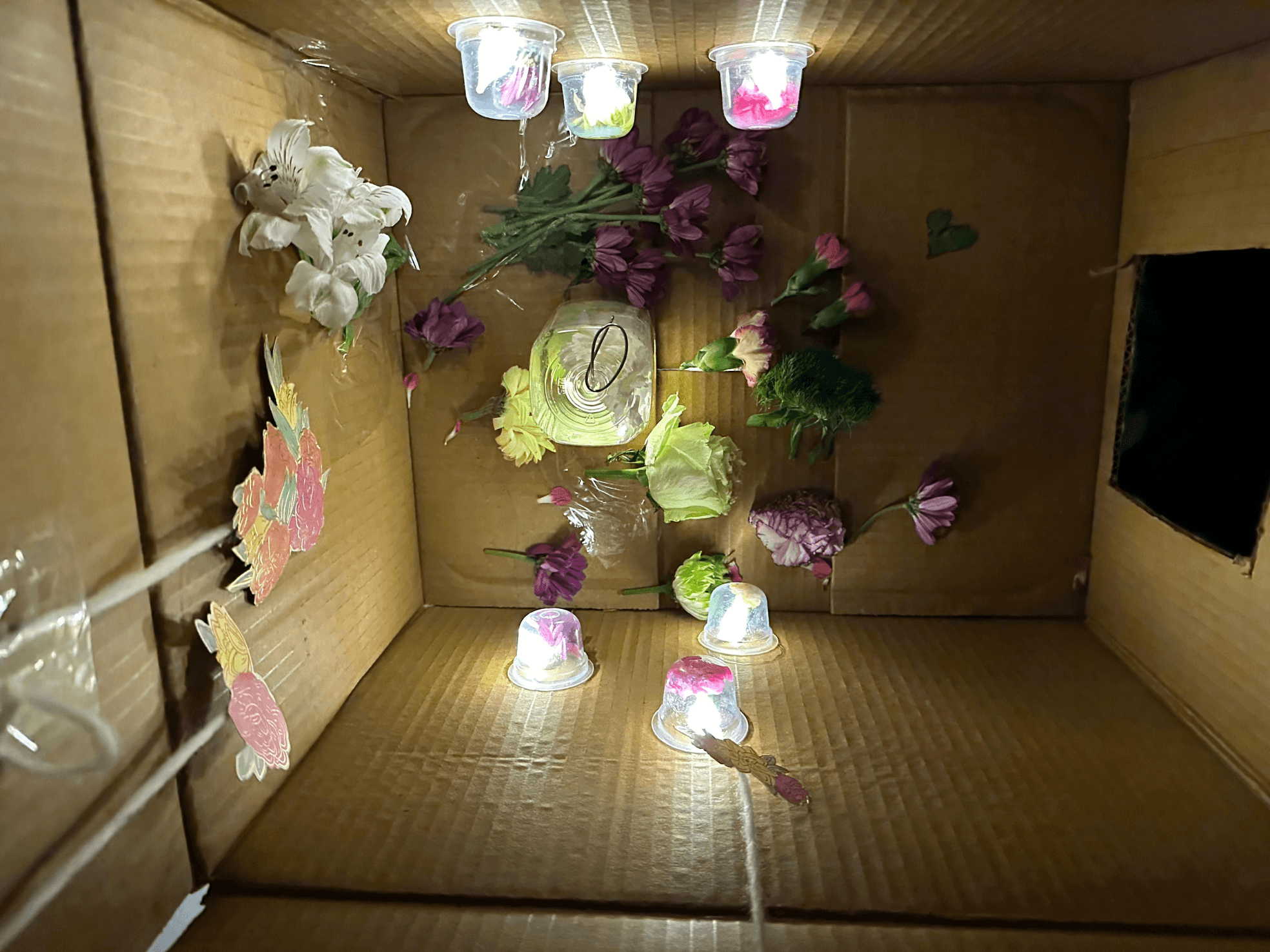
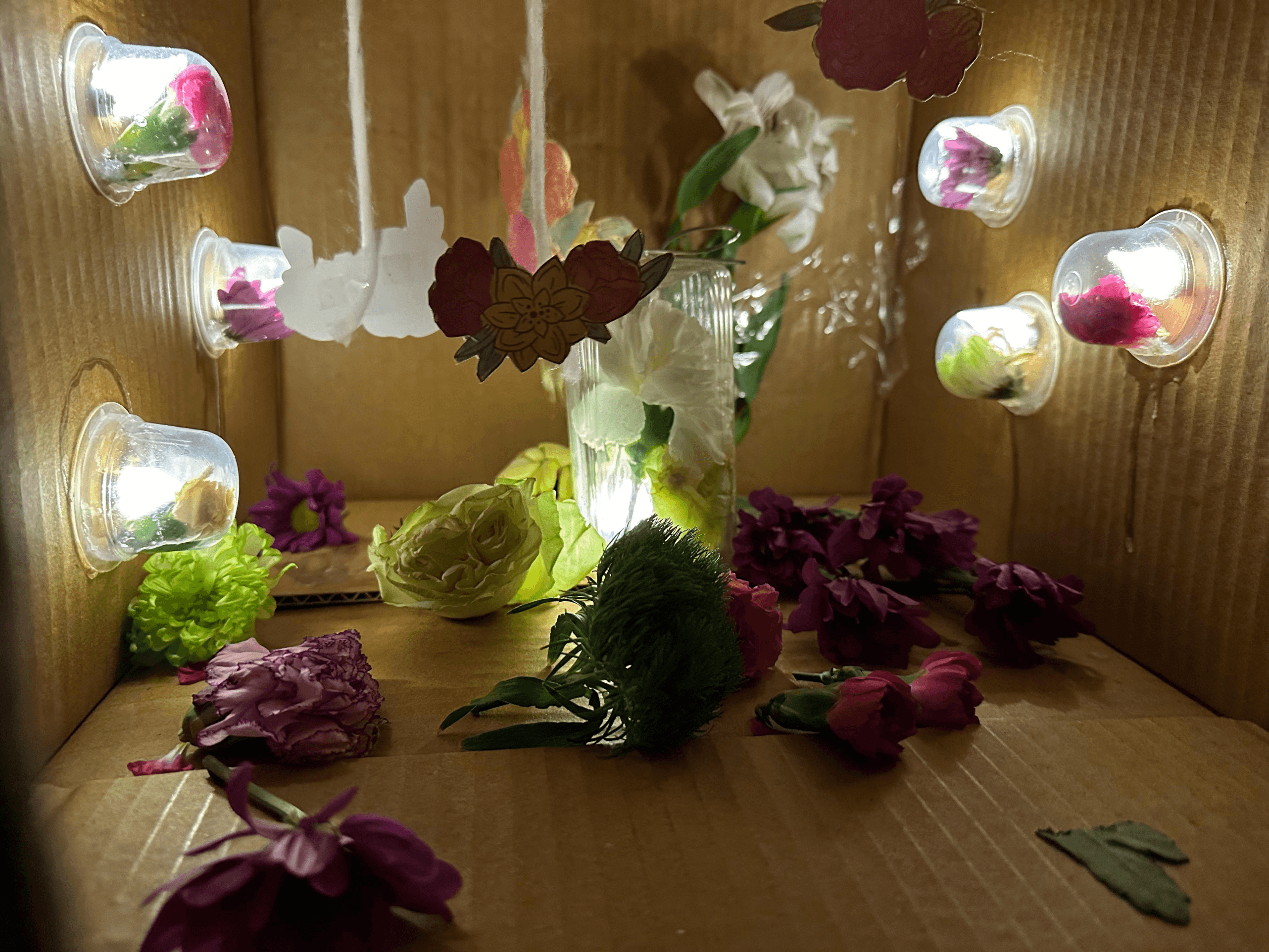
Creating a warm and comfortable indoor atmosphere heavily relies on thoughtful lighting design. Therefore, in the development of our simulation models, we conducted tests with lighting, illuminating flowers in darkness to assess the effects.


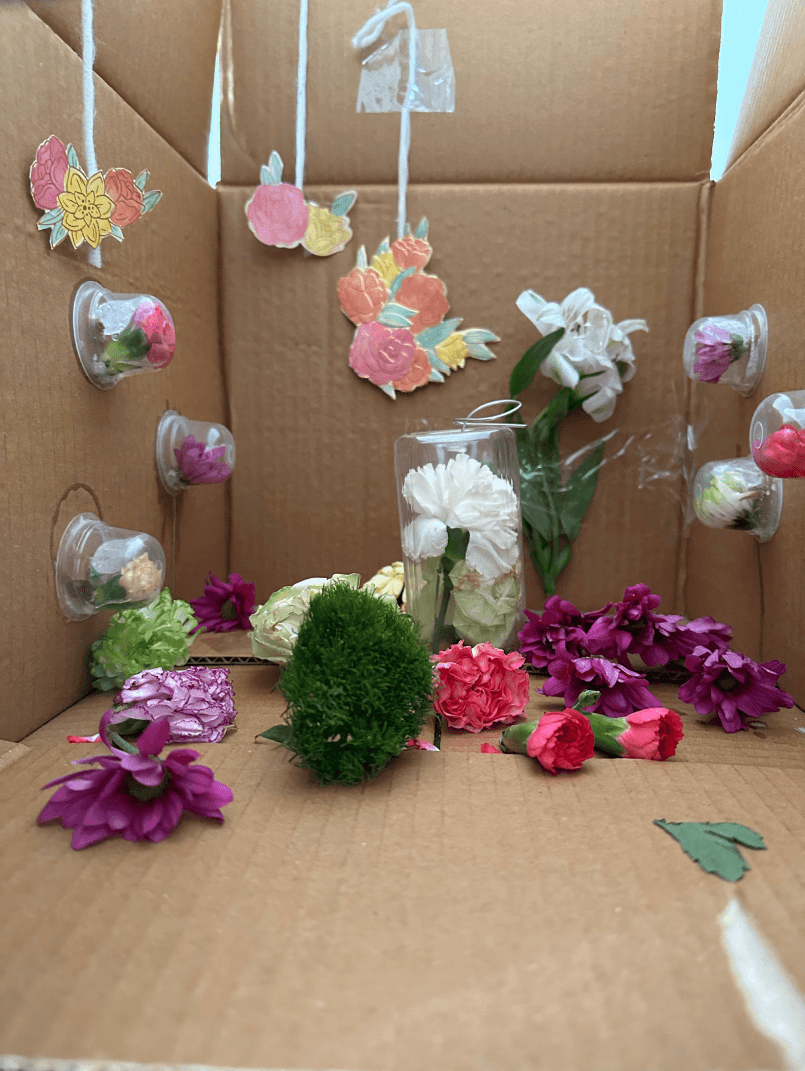
We will place these flowers inside a cardboard box, which, as a semi-enclosed space, serves to simulate an indoor environment.
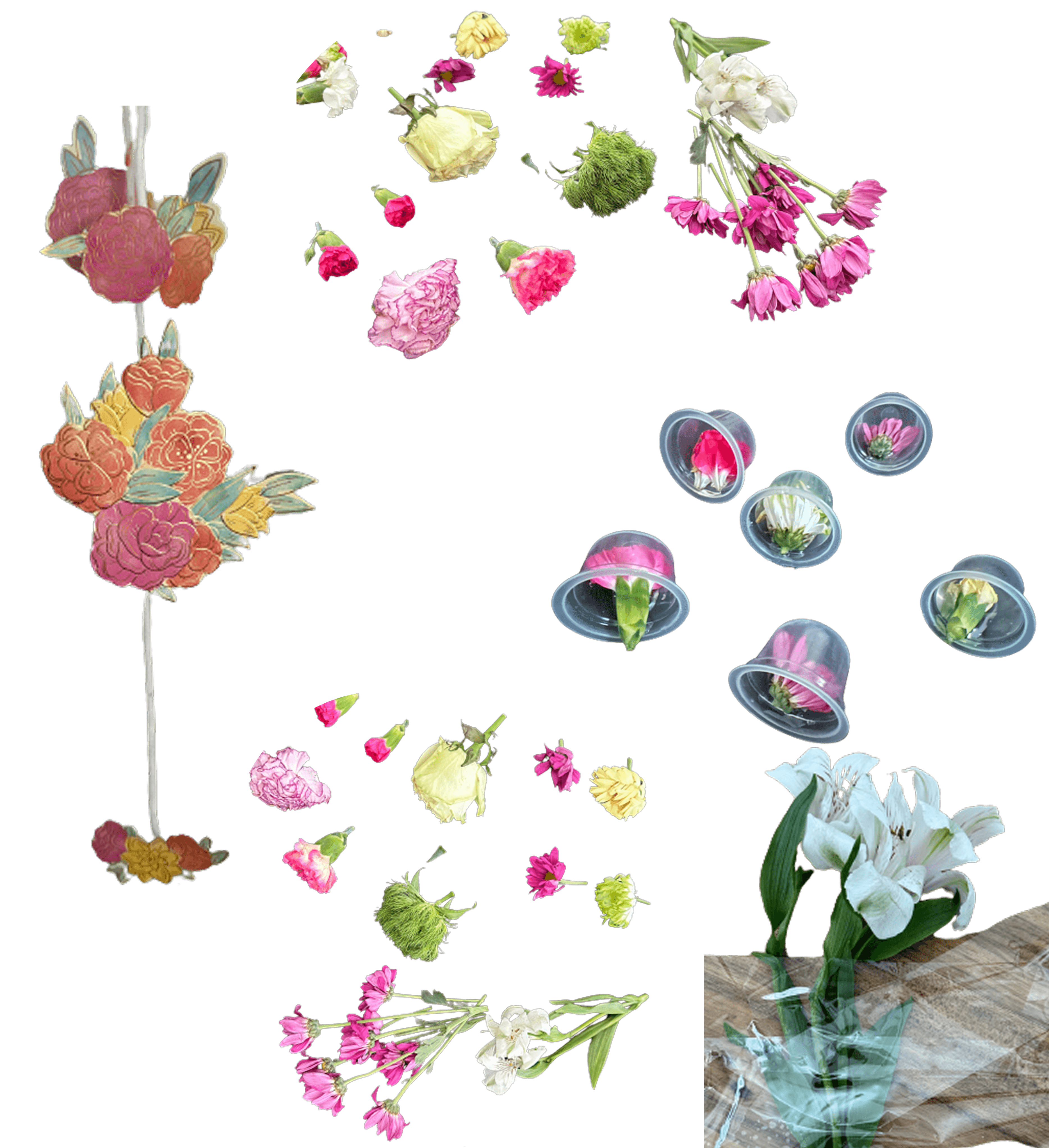

We left a window here, hoping that people can see the inside of our box view via this window. By doing this, the viewer can have an immersive experience, seeing the light, smelling the flowers, feeling the atmosphere.
This is how the box inside look like in the normal daylight.




// Delivery 2: 3D Model
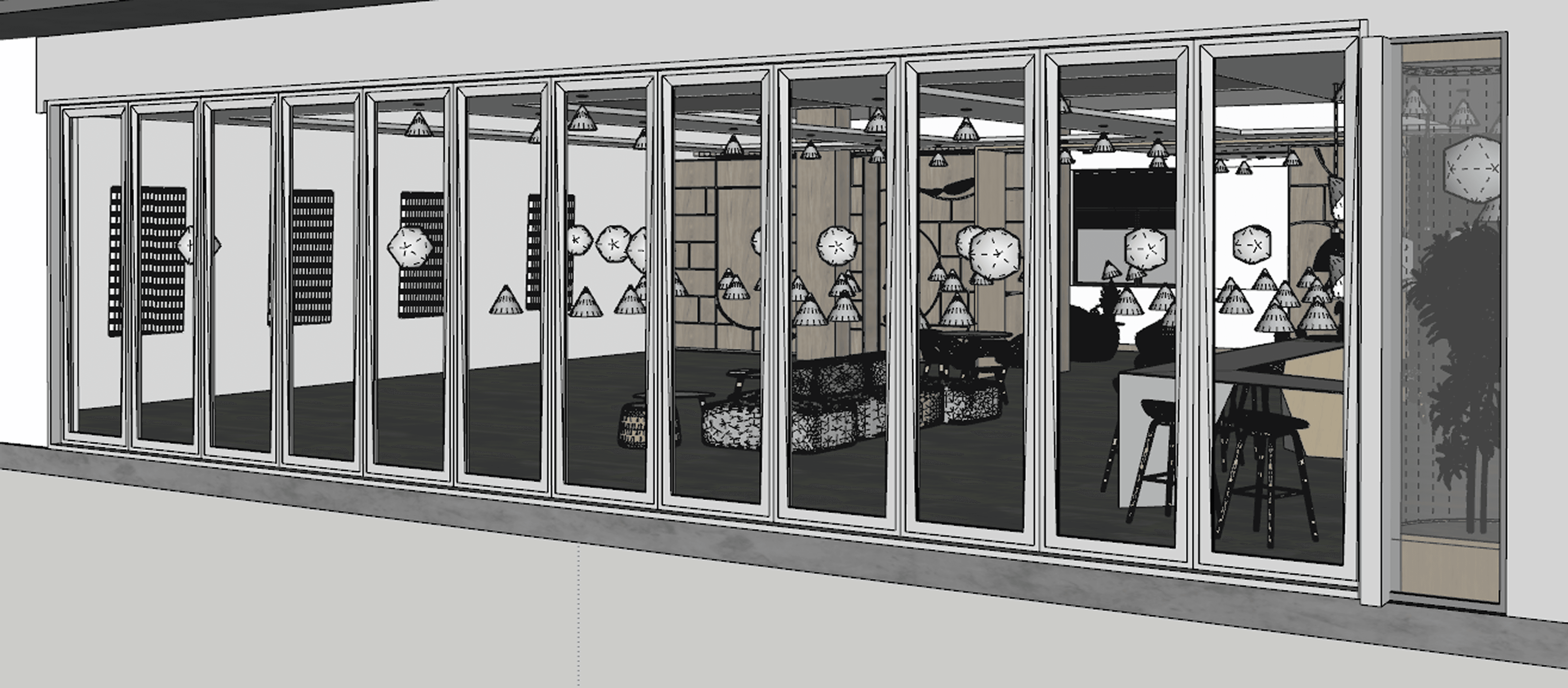
We have constructed a 3D model in SketchUp and rendered it to visually represent our research findings. We believe that creating a 3D model allows us to better showcase how trauma-informed design can be applied in interior design practices, offering our audience a comprehensive visual understanding. Relying solely on textual descriptions to convey design principles and concepts can be abstract and insufficient. Since spatial design is fundamentally about human-centered design, it is crucial that our design philosophies are not only discussed but also practically implemented in tangible outcomes
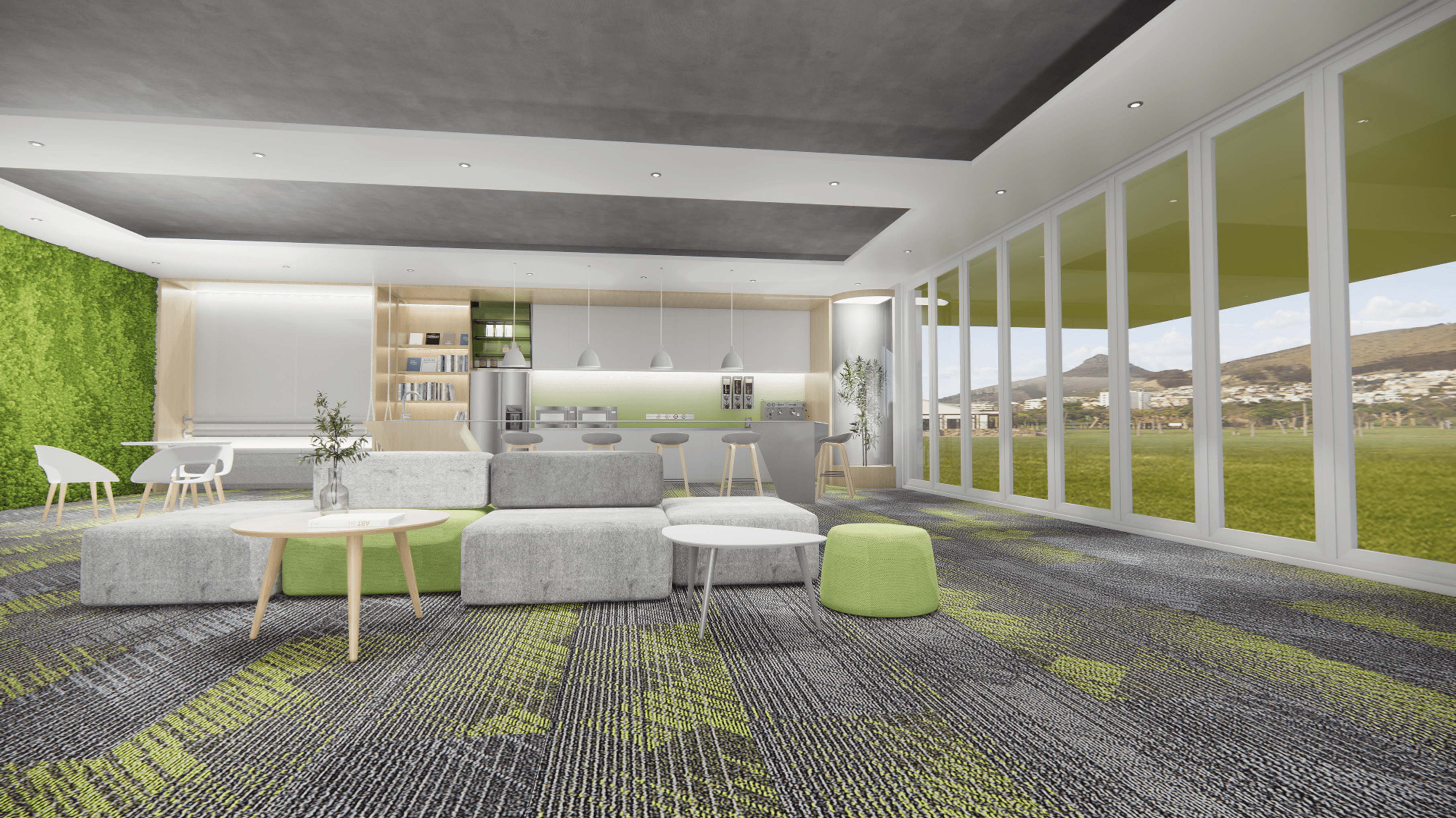
Clearly, in our endeavor to connect with nature, we have incorporated numerous green elements that awaken an intrinsic pursuit of authenticity. We extensively use carpeting because these soft fabrics can be particularly comforting for individuals who have experienced trauma. We also strive to avoid the use of sharp and abrupt materials.
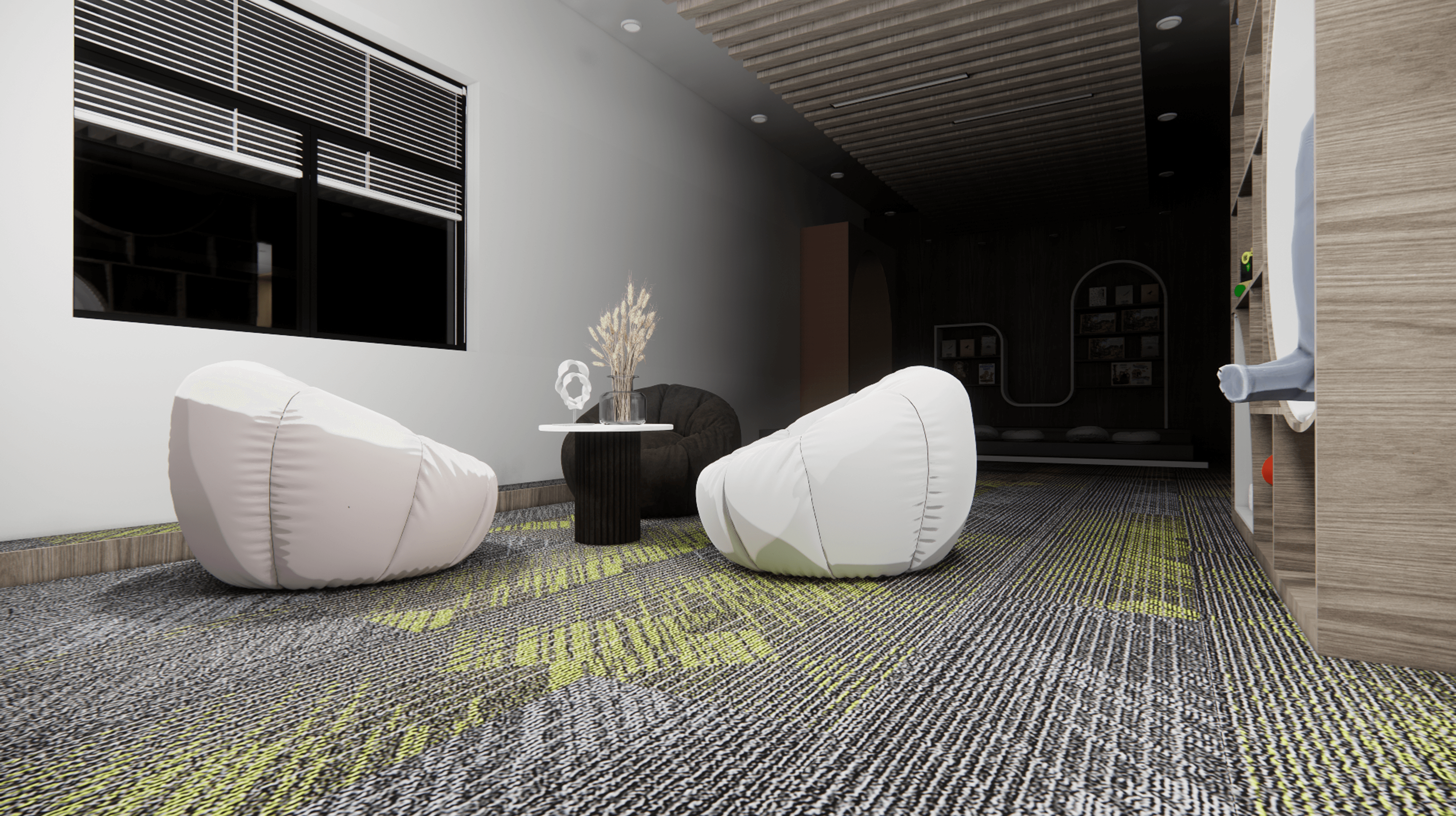
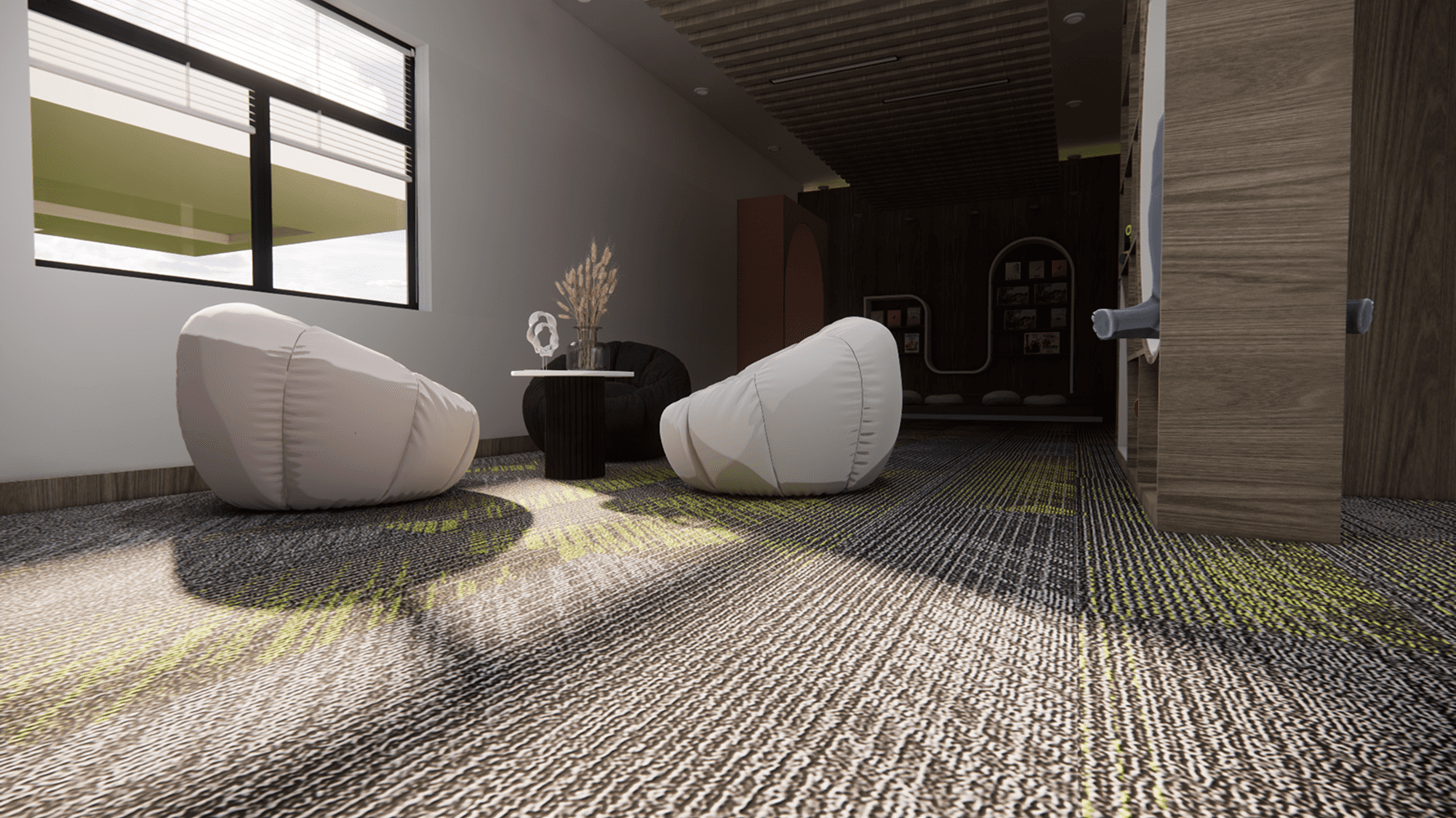
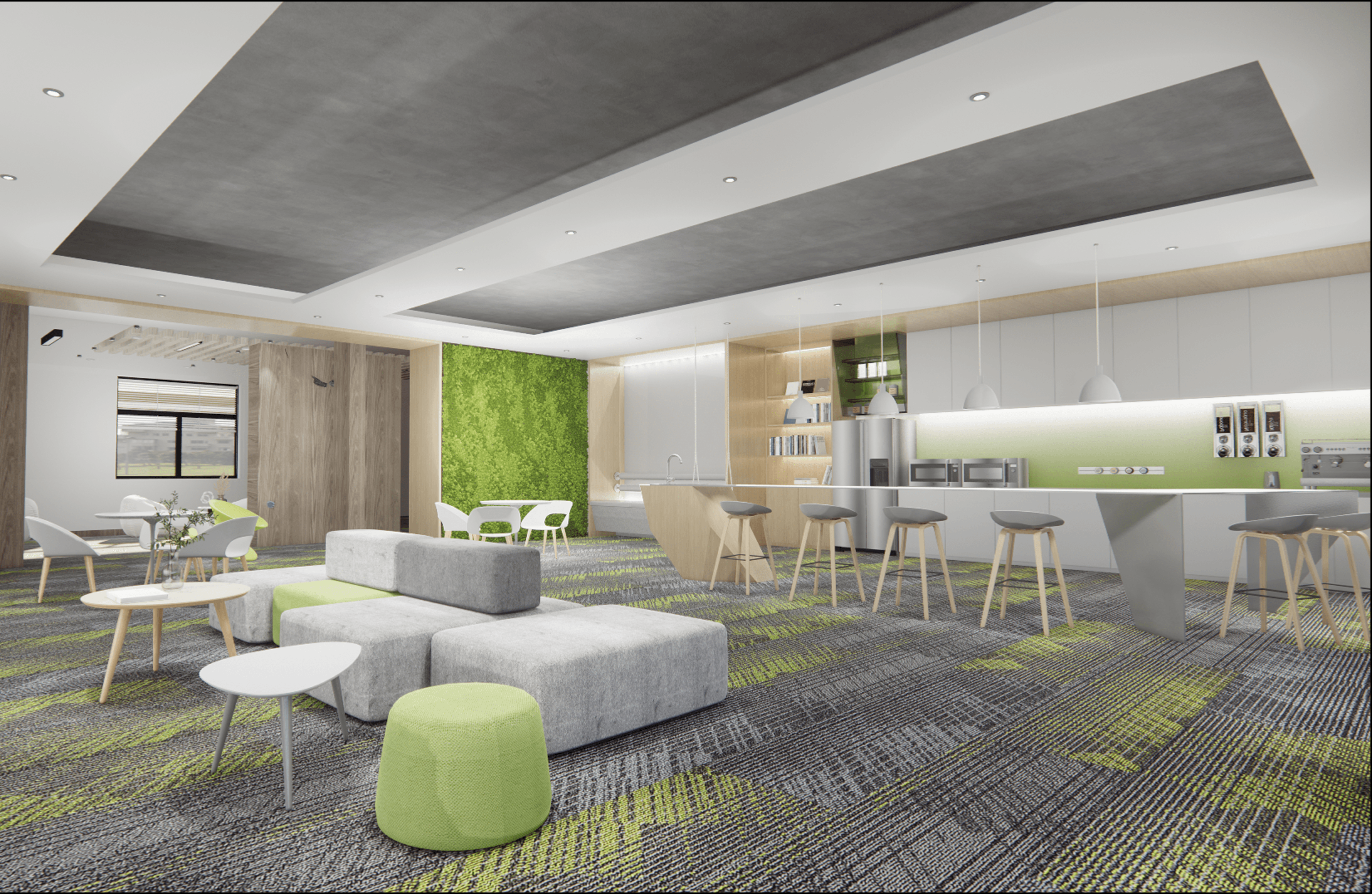
We have constructed a communal kitchen here because it fosters a sense of community among the residents. Collaborating and communicating with others in this shared space can build trust and reliance, assisting individuals with trauma in better accepting one another and integrating into the community. We chose a kitchen because taste is one of the most fundamental human senses for experiencing the world, and people often find it easy to relax and enjoy themselves while savoring food
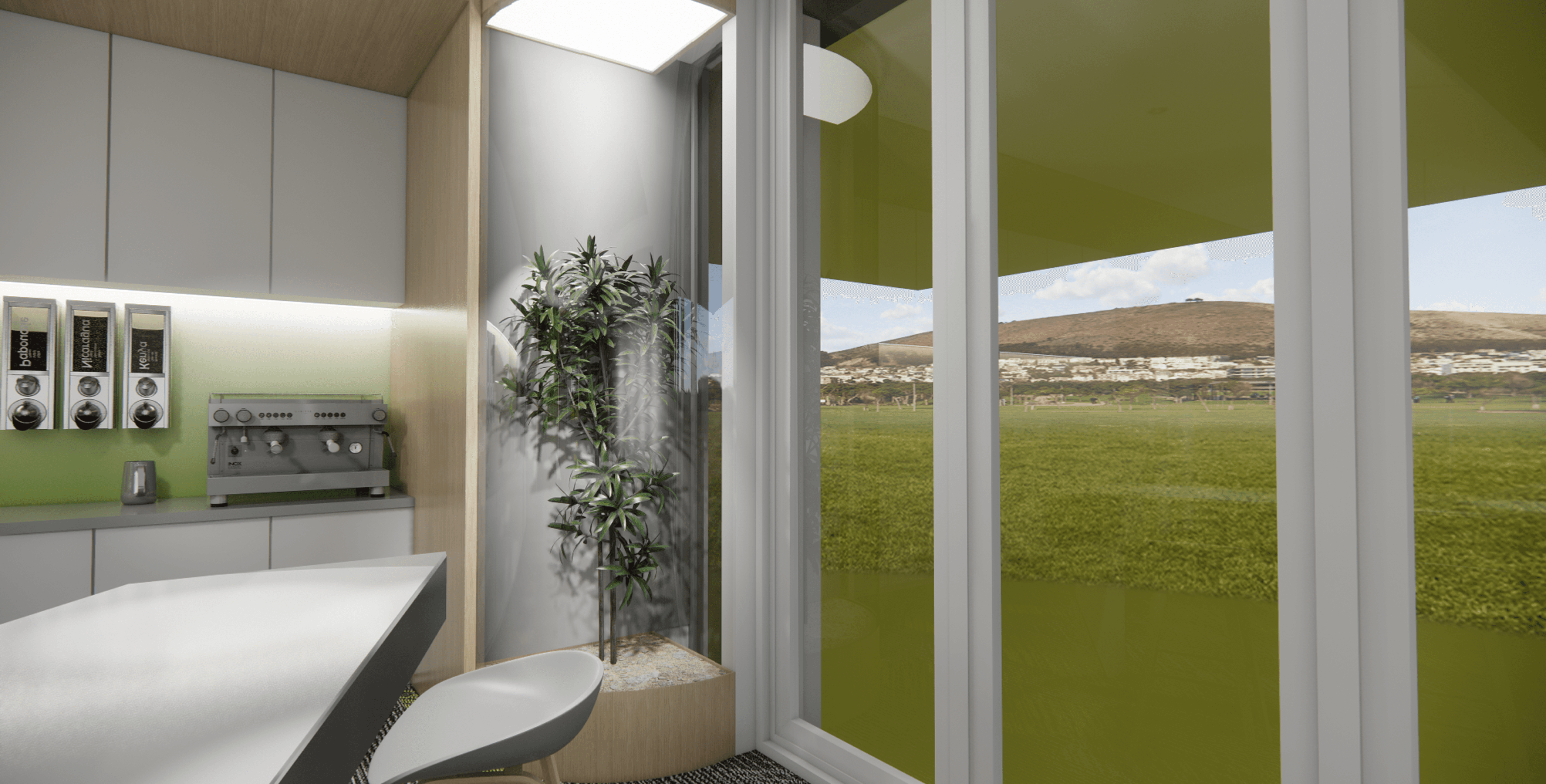
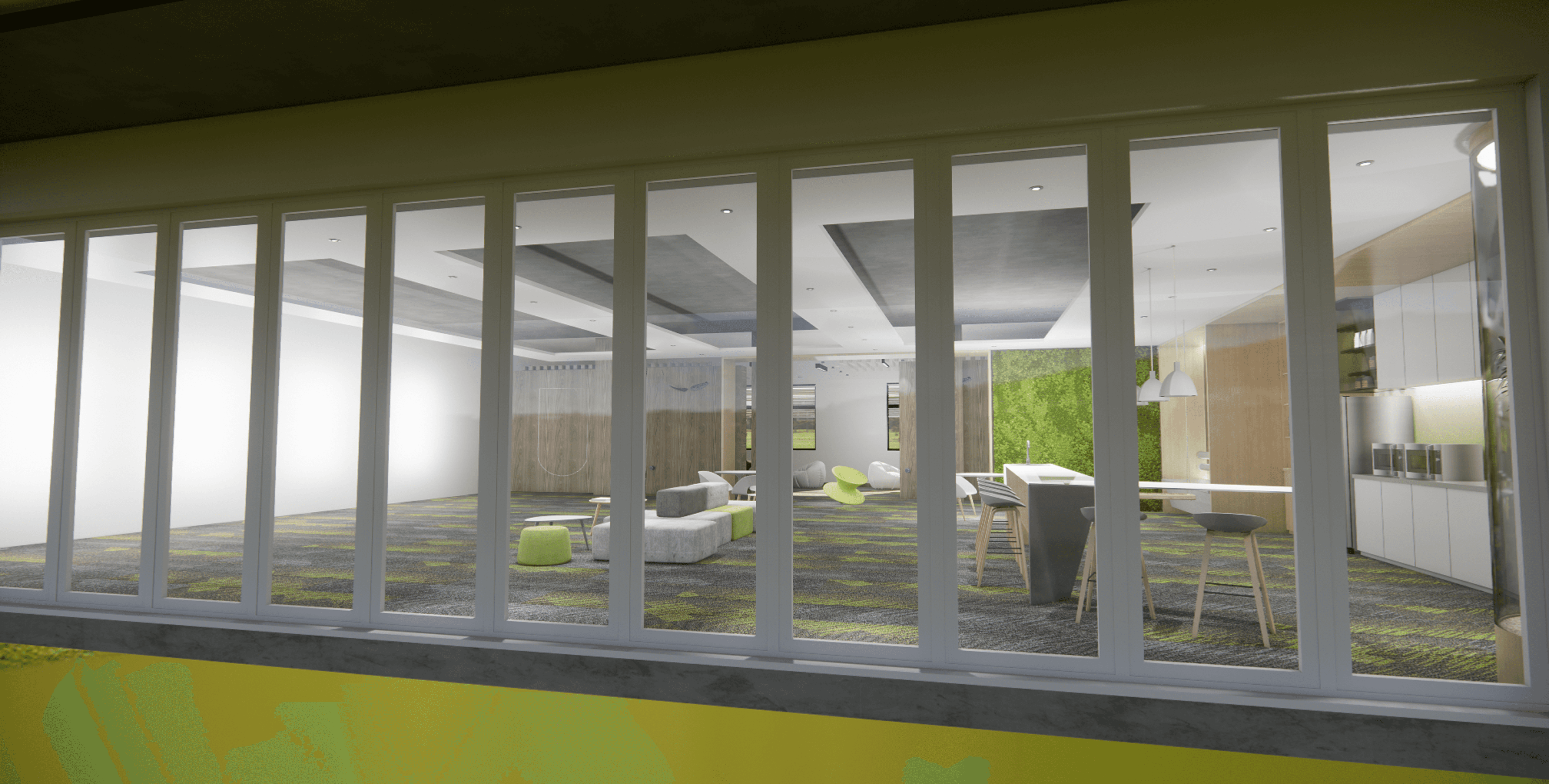
This section of the interior design incorporates plants and glass. The use of plants aims to bring people closer to nature, creating a more relaxing atmosphere under the warm glow of the lighting. Floor-to-ceiling glass doors have been utilized to offer expansive views of nature, providing residents with a large 'window' to observe the natural world.
// What We Learned
From trauma-informed design, we can learn numerous valuable principles and approaches that not only enhance the functionality and aesthetic of spaces but also significantly contribute to the emotional and psychological well-being of individuals, particularly those who have experienced trauma. This approach emphasizes the importance of creating environments that promote a sense of safety and comfort. It teaches us that every aspect of design—from the layout, to the choice of colors and materials—can impact an individual's sense of security and well-being. By understanding the specific needs of trauma survivors, designers can create spaces that avoid potential triggers and facilitate recovery and healing. Moreover, trauma-informed design principles encourage the inclusion of features that can be controlled by the users, empowering them to adjust their environment according to their comfort levels. This not only helps in reducing anxiety but also enhances a sense of autonomy and dignity among those affected by trauma. Through these lessons, trauma-informed design ultimately fosters environments that are not just physically accommodating but also psychologically supportive.